


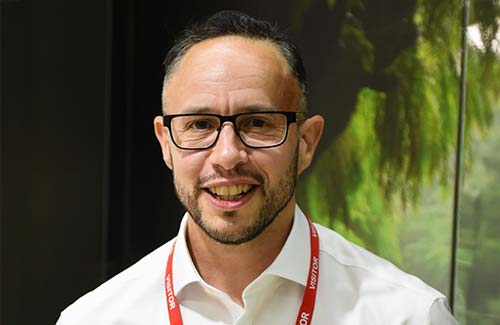
Keynote Speaker Matt Ellison writes a passionate and personal article about the importance of TDOR and the role of employers and organisations in supporting trans people, creating inclusive policies, and embracing understanding and empathy.
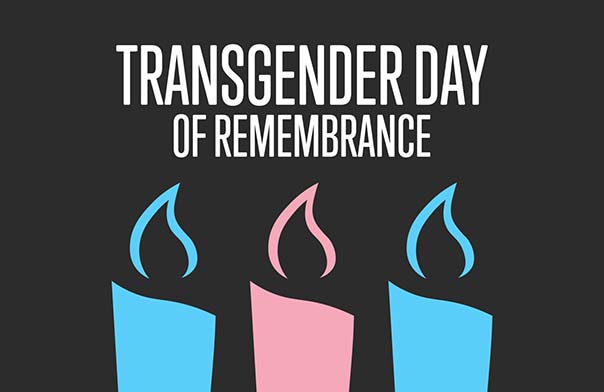
Every year on November 20th, Trans Day of Remembrance (TDOR) gives us the opportunity to honour the lives of transgender people who have lost their lives to anti-trans violence. It is a day of reflection and raising awareness about the ongoing struggles faced by the trans community worldwide. More than just a memorial, it is a call to action for allies, organisations, and society at large.
This year, TDOR is more important than ever.
In the UK and around the world, trans people are facing an increasingly hostile rhetoric, discriminatory policies, and public attacks, something I’ve felt personally. Life since transitioning over a decade ago has been amazing; I’ve felt free, aligned, and as if a weight has been lifted from my shoulders. But recently, with everything that’s been happening, I’ve felt that weight return for the first time since transition – low, disheartened, and reminded that safety and acceptance are never guaranteed. Across the world, trans communities continue to face violence, exclusion, and political backlash. This is a stark reminder that the fight for safety, inclusion, and equality is far from over. Recognising this day is more than a symbolic gesture; it is a statement that your organisation stands against discrimination and supports the trans community.
Many people I speak to are completely unaware of the many challenges the trans community is facing, and when I explain, they are often baffled as to where this has all come from. Here in the UK, for example, the EHRC (Equality and Human Rights Commission) – the very organisation meant to protect us – has been pushing guidance that would legally exclude trans people from using gendered spaces that align with their identity. They have now submitted this guidance to Parliament for review, and there is a real threat that it could become law. This would mean it could be illegal for me to enter any male space, despite physically appearing to everyone just as any biological male does.
Many organisations have already acted on this guidance. Here’s one example of a company who have updated its terms and conditions to read:
-
8. By law, our members and visitors who use a changing room marked as ‘male’ or ‘female’ must select the one that matches their biological sex.
They have mistakenly interpreted this as law – which it isn’t ….YET – but they currently require me to use female facilities despite looking 100% male, or lie to access male spaces.
If the guidance does become law, trans people will face impossible choices: use facilities that don’t match their appearance – which would be distressing for both the trans person and others in that space; live a stealth, criminalised life just to use a toilet, get changed safely and to maintain dignity; be forced into gender-neutral facilities, which risks outing us; or, in many cases, have no access at all. Gender-neutral facilities can be fantastic – but only when offered as an option, not as a substitute that excludes us from all gendered spaces and effectively classifies us as a “third gender.”
The situation is ludicrous both for trans people like myself who pass in their acquired gender (actually the majority of us), and also for those who don’t pass, as it means they are discriminated against simply due to appearance, which shouldn’t happen.
When did how you look make you dangerous?
This is just one example of why we need your help, support, and allyship more than ever at this pivotal moment in history.
This year at least 350 people are being commemorated on TDOR after losing their lives simply due to being trans, that’s on average one person every day, and with the growing anti trans sentiment that number is only likely to increase in years to come, unless we try to educate and raise awareness.
Here’s how organisations can make a difference:
- Acknowledge the day: Recognising TDOR in internal communications,
newsletters, or social media shows your employees and stakeholders that your
organisation values inclusion. - Educate and inform: Hosting talks, panels, or workshops helps people
understand the real-life experiences of trans people and fosters a more
supportive workplace culture. - Take meaningful action: Support trans-led initiatives, review workplace
policies, and actively create safer spaces for trans employees and community
members.
TDOR is a vital moment for reflection and action. By marking it, your organisation signals its commitment to equality and inclusion, and takes a stand against the rising tide of anti-trans rhetoric.
Much of the anti-trans rhetoric comes from misinformation and a lack of understanding. I share my own story, using my experiences to provide insight, understanding, and education. My sessions are designed to be practical, engaging, and inspiring, helping organisations turn awareness into real change.
When we experience acceptance and understanding, life post-transition can be amazing, and you can help us achieve that.
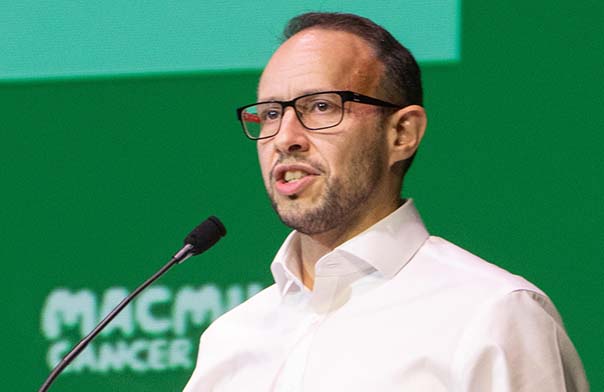
Matt Ellison
Transgender Campaigner, Advisor & Author
Matt is an inspiring transgender campaigner and speaker whose thought-provoking insights reach far beyond his personal journey of transition. A former co-chair of FTM London, Matt has worked with NHS England to improve trans care and advises on safe practices and the Gender Recognition Act. Through his engaging talks, he helps individuals and organisations embrace diversity & inclusion, and create meaningful change.
To book Matt to speak at your event or for more tailored adviced on selecting your next speaker, do not hesitate to get in touch with us.