
Christine Armstrong
Future of Work Author and Consultant
Talent & Work Leader, Co-Founder & CEO, Flexa
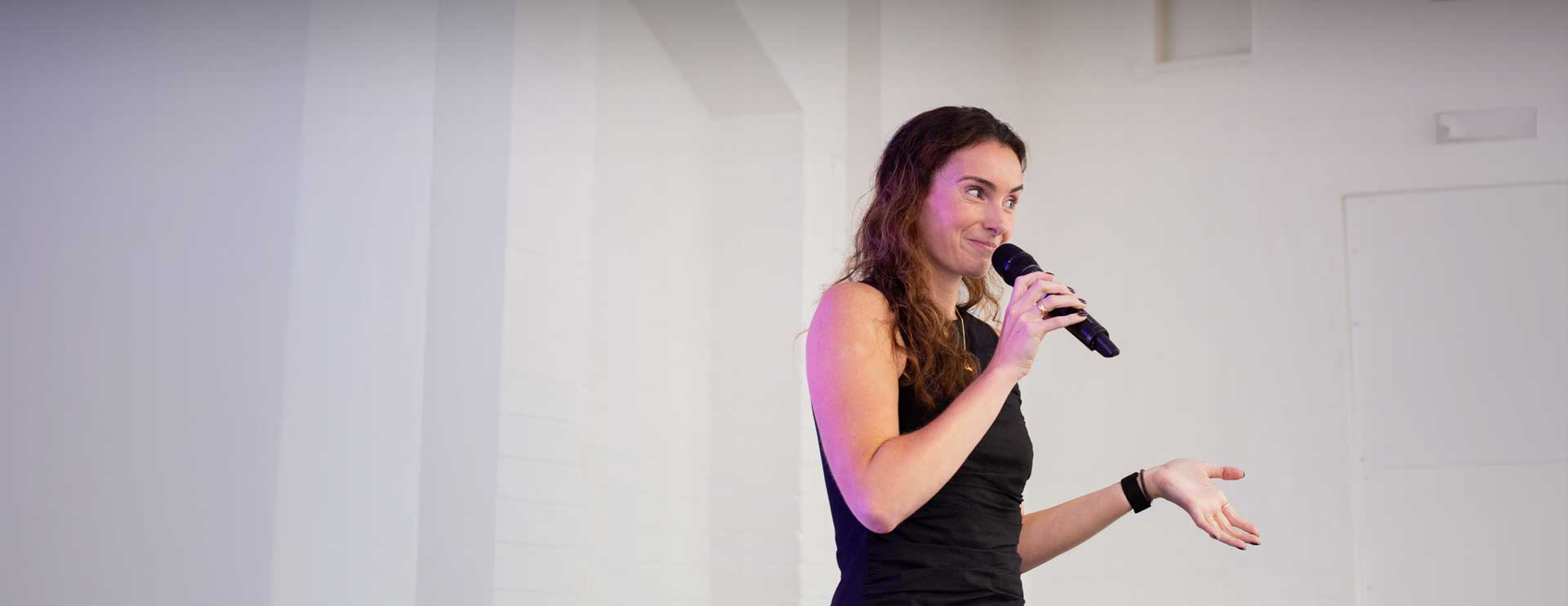
As CEO of the UK's leading platform for flexible working, Molly Johnson-Jones has access to billions of data points on how people work, and want to work. A LinkedIn Top Voice on the future of work, she challenges thinking about employe expectations and helps leaders understand flexibility, hiring and workforce trends. She explores how to create modern, practical workplace policies that balance what talent look for in employers with commercial necessities.
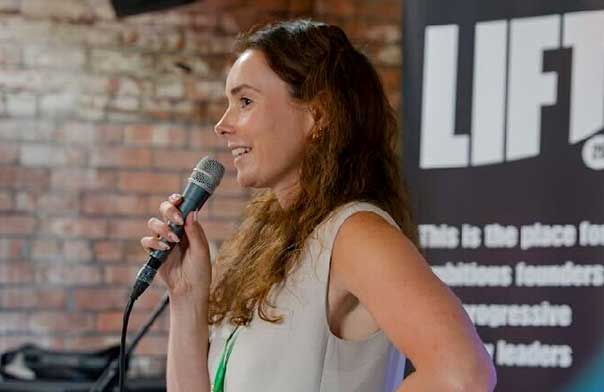
Molly Johnson-Jones is CEO and co-founder of Flexa, a platform that enables people to discover companies with the best possible working environments. After being dismissed from her investment banking role for asking to work from home one day per week to accommodate her autoimmune disease, Molly realised that the lack of transparency in the job-hunting process was problematic for both candidates and companies. She and her partner Maurice started Flexa, which has become the UK's leading platform for employers and employees seeking to understand how to operate truly flexible working models.
As CEO of Flexa, Molly has access to billions of real-world data points on how people work and want to work, giving her a uniquely evidence-led perspective on hiring, flexibility and workforce trends. She challenges the idea that the future of work is a set of binary choices between remote versus office, AI versus people, flexibility versus performance. Instead, she helps leaders understand the nuance behind the shifts in priorities and expectations, and why organisations that embrace this complexity are the ones most successfully attracting and retaining talent. With data across sectors, industries, regions, demographics and roles, she explores how flexible working means very different things to different people, comparing what flexibility means to a tech worker in a city versus a delivery driver in a small town.
Molly examines how leaders and organisations can create policies and principles fit for the modern working world, moving beyond one-size-fits-all definitions or vague compromise versions of flexibility. She addresses what talent looks for in an employer, and how that varies based on a range of factors from background to age to industry. Her approach focuses on cutting through the noise of opinions and headlines to uncover what is actually changing and what organisations need to do about it. She also reflects on her experience starting a tech business as a woman and the lessons in inclusion, culture and entrepreneurship.
"*" indicates required fields