
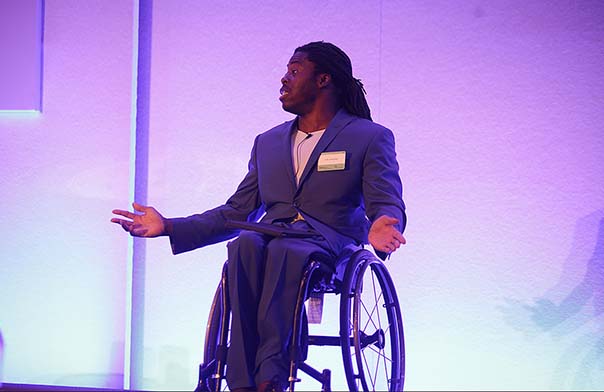
Ade Adepitan
Travel & Sports Presenter
Paralympic Gold Medallist
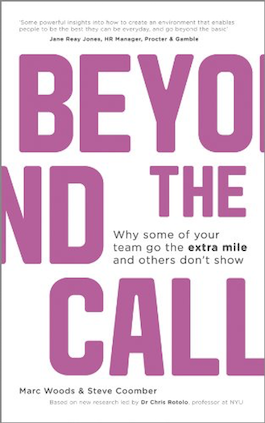
As a keen teenage swimmer Marc was distraught to be diagnosed with cancer. He lost his lower leg, but within months he was swimming faster than before. He went on to win four golds over five Paralympics. Marc has now published Beyond The Call, exploring how fairness, trust, empowerment and self-sacrifice all combine to produce extra, 'discretionary' effort. In speeches he shows what happens by focusing on those things that are under your control.
.jpg)
JLA Agent - Lizzie CarrIf anyone can teach us a lesson about making the most of our circumstances it's Marc. When he shows clips of the England team winning their gold medal, you can't help but cheer as his teammate touches the finish line. When he explains just how everybody played their part, you can't help but feel inspired.
Marc Woods was diagnosed with cancer at the age of 17 and had his left leg amputated below the knee. Not knowing whether he had 6 months or 60 years left to live, he was determined to make the most of whatever time he had.
Before losing his leg Marc swam in local races, but never achieved his potential. After surgery he stepped up his training, winning a race while still on chemotherapy. Six months later, he was swimming faster with one leg than he ever had with two. Eighteen months later, he represented Great Britain in individual and relay team freestyle events - and went on to win twelve Paralympic medals, four of them gold. He also held individual world records over three distances - 200m, 400m, and 1500m.
In presentations Marc takes audiences on a remarkable journey, inspiring each person to do the very best in every dimension of their lives. With thrilling footage, a terrific sense of humour and complete lack of sentimentality, he demonstrates his passion for life and shows what can happen when we learn to focus on those things which are under our control.
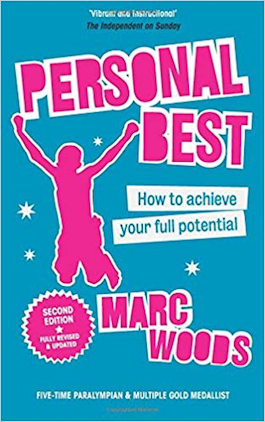
Marc was an integral part of the BBC Paralympic commentary team in 2012 before joining Channel 4 and their acclaimed team. He was an Ambassador for London 2012 and was a member of the British Paralympic Advisory Panel for both Olympic and Paralympic Games. He was also a Founding Member of the British Athletes Council and is the author of three books which look at personal and team achievement in sport, work and life: Personal Best - How to Achieve your Full Potential, Beyond The Call: Why Some of Your Team Go the Extra Mile and Others Don't Show, and Where Do All the Paperclips Go?: ...and 127 other business and career conundrums.
“Marc was excellent – a real life role model.”
Superb, he liaised well in advance of the event, understood the brief fully and captivated the delegates for a full hour. He also worked very well with the production team. He is an intelligent, entertaining and empathetic presenter who engages people with his understated and charming style. Absolutely outstanding and we have no hesitation in highly recommending him.
100%! We conducted a post conference survey and Marc had the highest scores, as the highlight of the whole day. I have had so much positive feedback from everyone – despite several of us having a few tears amidst all the laughter. I have heard several colleagues quoting Marc's key messages in various contexts in the last week alone.
Marc's after dinner speech was energetic, fun and engaging with a strong motivational message. Perfect for inspiring our engineering apprentices towards continued success. Thank you.
There was laughter and tears! Without exception, every single audience member found Marc engaging, interesting and an inspiration. We had nothing but praise for Marc, his message and delivery. The parallels drawn between Marc’s story and what we were looking to communicate to our delegates was spot on.
Marc Woods was excellent – everybody went away inspired – would definitely recommend him. He made his presentation relevant to his audience and was, probably, the highlight of the two days!


"*" indicates required fields