
.jpg)
John Amaechi
Psychologist & British NBA Hero
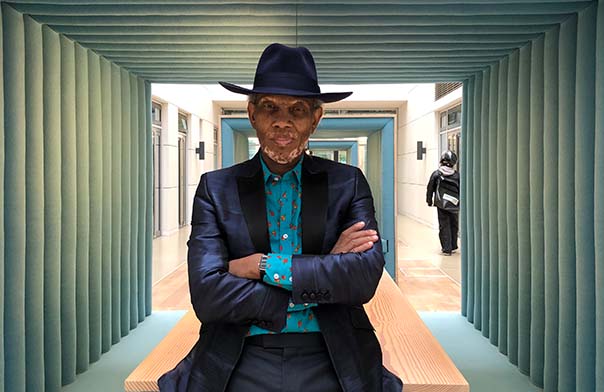
Wilfred Emmanuel-Jones MBE
‘The Black Farmer’
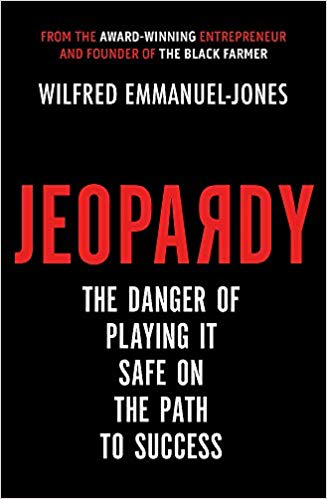
In his own words Wilfred is a 'poor boy, done good.' Unqualified but persistent, he made his way into TV and brought Gordon Ramsay to the screen. He then ignored the conventions of his race and upbringing, bought a small West Country farm and launched his sausage company. He's since expanded into fashion. Wilfred argues that businesses should challenge the status quo and embrace jeopardy. Victimhood is a dangerous trap, in individuals and in companies.
JLA Agent - Allan GrantFor me Wilfred is the perfect speaker. He isn't one of those entrepreneurs who just dish up clichés. His is a personal story, full of lessons for delegates to take away and put into practice. The methods Wilfred used to take The Black Farmer from a niche, local product to an everyday supermarket brand are a 'must-hear' for any business that wants to grow.
In his own words, Wilfred is 'a poor boy, done good'. Born in Jamaica and raised in inner city Birmingham, unqualified but persistent, he talked his way into television. He was responsible for introducing chefs like Gordon Ramsay and James Martin to the small screen - but he’s now known simply as The Black Farmer.
After his stint in TV, Wilfred fulfilled his ambition to own a small farm in Devon. This in turn led him to launch a range of sausages and sauces under the Black Farmer label. He had spotted that while many farmers had lost any contact with the customer, he could engage directly with them and even persuade them to lobby supermarkets on his behalf. Wilfred’s brand now extends to country clothing.
Flavours without Frontiers (the strapline on all his products) sums up Wilfred’s personality and philosophy. He refuses to be confined by race, convention or tradition. His forthright opinions on rural affairs and what he sees as justice for small producers often generate attention - as does his call to business audiences to challenge old ways of doing things.
In presentations Wilfred argues that everyone must take personal responsibility for their actions, no matter how disadvantaged. The alternative is to slide into a culture of victimhood. As part of his own commitment to broaden horizons, he has launched a scholarship to give young people from inner city communities an opportunity to experience life in a rural environment.
"Very good indeed"
Wilfred was an inspirational and motivational speaker and presented a clear message that he credited his success down to focus and attitude. His speech was delivered in a light hearted manner and did link in with the ethos of the Pride awards and it was pleasing to hear him talk about his previous visit to South Holland. However, during our telephone call to discuss the brief it was emphasised that the Pride awards were funded through a community cohesion grant. The main focus of his presentation was his own individual story and although there were some references and links to community cohesion these could have been strengthened. The audience thoroughly enjoyed the presentation though and he catered well for the age ranges present (from children to older people).
Wilfred was able to adapt his material to meet the theme of the day and the needs of the audience. He asked questions beforehand to gain understanding, and looked at the delegate storyboards to get a sense of our work to date.
He really engaged the audience, his personal story was inspiring and motivating, and he translated the key messages into a healthcare setting. I enjoyed the honesty and the humour and have already recommended him to two other organisations.
Excellent story, told with real passion and insight. One of those people you warm to in seconds!
Wilfred delivered a story which was entertaining and believable and which emphasised the importance of understanding a consumer's needs. Feedback from the audience was positive; he was entertaining, interestedn easy to follow (it was an international audience), and kept everyone's attention.
"*" indicates required fields