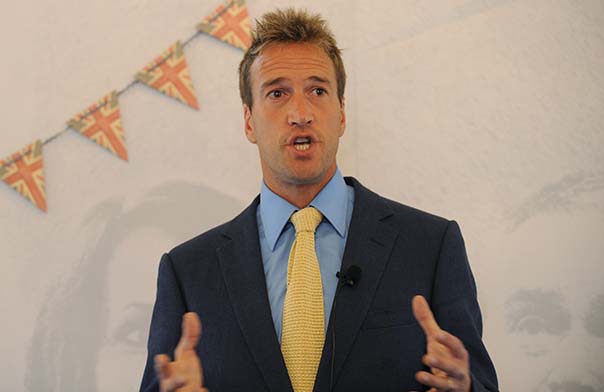


Alan Chambers
Expedition Leader
Explorer & Anthropologist
Benedict has lived in the Siberian wilds, survived the Skeleton Coast and crossed the Gobi. He's contracted malaria whilst being pinned down by civil war in Papua New Guinea, he's been shot at, hunted and left to stitch up his own chest: 'It's a bit more extreme than the corporate jungle, though there are parallels.'
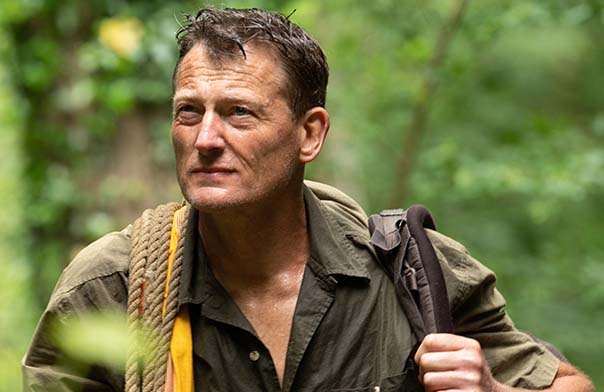
Benedict Allen differs from most explorers in that he lives for months at a time with remote tribes, learning their survival techniques. He takes nothing into these communities - no equipment, maps or compasses, no satellite phone or GPS devices - throwing himself on the mercy of the people he encounters. He has come close to death on many occasions, not least his well-publicised journey to Papua New Guinea which saw him struck with malaria and caught between warring factions.
The BBC series Skeleton Coast brought Benedict’s adventures to a wide audience, documenting his experiences walking the diamond littered coast of Namibia. By the end he had walked 2,000 kilometres, with three very reluctant camels. His following series, Ice Dogs, saw Benedict having to earn the trust of his ten-strong team of huskies. After getting separated in a blizzard, and without any back-up, he narrowly survived crossing the Bering Straits.
During his attempt to contact a lost tribe in Papua New Guinea, Benedict’s return from the jungle was blocked by local groups engaged in armed conflict. Pinned down, his problems were compounded when be contracted malaria. The experience revealed the very serious decisions he has to be prepared to make: such as whether to walk for five days through a war zone whilst semi-delirious, or to wait things out.
Benedict has trekked from the remote wilds of Siberia, through the Mongolian steppe and Altai mountains, ending with a lone crossing of the Gobi desert. He’s been hunted, shot at and left to stitch up his own chest. He admits the challenges are more extreme than anything you’ll find in the business jungle, but there are parallels: both are highly competitive, often confusing and sometimes frightening. They also require careful planning and strategies to deal with the unexpected.
In gripping conference presentations and after dinner speeches, Benedict demonstrates the qualities necessary to succeed and survive - including personal motivation, risk-taking and the ability to adapt to unfamiliar circumstances. He also considers how best to deal with things when the press start making assumptions about you and your endeavours.
“The audience was spellbound.”
A warm and amusing talk about benedict's exploits that was thoroughly enjoyable to a mixed audience. More importantly, his stories created good topics of conversation throughout our gala dinner and evening.
Everything worked out really well and Benedict held a really interesting and entertaining speech. Our client was very happy.
It was a pleasure working with him, very conscientious and easy to work with. The idea was to have a completely different type of speaker to add some entertainment and enjoyment from outside the industry, this was fulfilled.
Many thanks for delivering your great story at our Conference on Saturday. There were many conversations and comments over dinner and in the bar about how your presentation was perfect for the audience that was in the room. They thought that you were both inspirational and maybe just slightly mad!
Once again it was great to meet you. Good luck on your next adventure.
Benedict delivered an after dinner speech at the Association of Women Travel Executives Christmas Lunch. His speech was pitched perfectly; he was interesting, funny, informative and made frequent references to the travel industry. He also brought ChildLine into the end of his speech which was helpful as it reminded people why they were there.
Both the audience and Chairman of the AWTE committee loved him; the Chairman also said it was an absolute pleasure to have his company during lunch.
"*" indicates required fields