

JLA Speaks
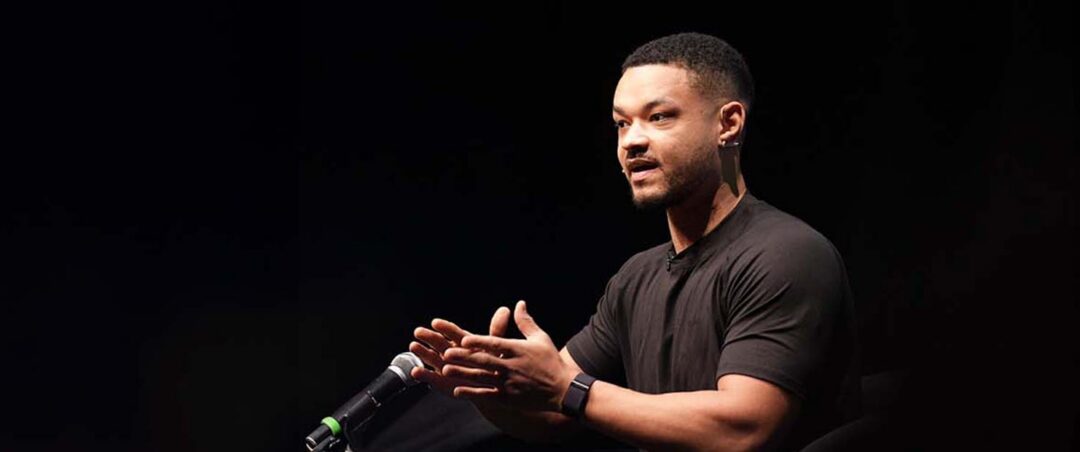
Steven Bartlett Thinks Speaker Bureaus Are Broken. Here's Why We Think He's Wrong.
I could feel my heart racing as I stood at the back of the room, desperately re-checking my watch. The comedian I’d booked for my client was dying onstage – an unlucky combination of a too-drunk audience, a terrible room set-up, and a nervous act who had never done a corporate before.
The timer ticked over to 17 minutes (just about long enough), the comedian exited stage left, and both he and I frantically made for the door. On the other side, he faced me. “That was awful.”
There’s not much you can say in these situations, other than commiserating – and helping to find their taxi home as soon as possible. I went back inside to find my client – who was grimly resigned to the disaster, and rueful that he’d pushed so hard for that particular comedian. We conducted a post-mortem as dessert was served to the mostly-insensible audience. The comedian in question is now one of the UK’s most successful – and my booking turned out to be his first AND last corporate engagement.
My one consolation was being able to relay my pathetic experience to my colleagues the following Wednesday. For all 17 years that I’ve worked at JLA, we’ve met as a company on a Wednesday to share feedback on the previous week’s corporate engagements. My sad story got a laugh in the room, but more importantly, it enabled all of my colleagues to advise their clients away from that particular comedian, and that particular room set-up.
"The speaker bureau industry is broken. We fixed it”
He declared it very grandly over the summer. But how can AI find out what happened in the room, or why a particular speaker might not be suitable for a very specific event set-up?
Our absolute superpower is being able to give advice and make recommendations based on 35 years’ experience in the industry, and the feedback of 40 colleagues who are going to events every week, speaking to clients, and sharing their knowledge with the room. We aim to empower our clients to make the best possible decision when choosing which act to book.
Here’s just a small flavour of the type of insight we receive, and share with clients. I’m afraid I’m going to be coy and redact all the names in the following list of feedback – all from last Wednesday’s Town Hall meeting…
From Last Wednesday’s Town Hall
- Former politician – was notoriously hard to pin down in the run-up, going quiet for some time before finally joining the briefing call – but delivered on the day, with the client delighted by the result.
- Comedian – withdrew from an event at short notice after a higher-profile TV opportunity came up – clearly prioritises TV over corporates: warn clients.
- Reality TV judge – enthusiastic and easy to work with, and delivered a brilliant awards intro – one we’d be keen to book again.
- Business creativity speaker – arranged to deliver his speech with a full orchestra, sourcing the musicians himself. He’s open to doing it again, so worth considering for clients wanting something different.
- Former reality TV contestant – easy-going onsite, and despite slower communication in the run-up, the client was delighted on the day, with the speaker staying long after the fireside chat for photos.
- Well-known British comedian – may consider a smaller number of bookings this autumn – worth testing the water with some offers.
- Futurist – harder to manage in the lead-up, reluctant to share materials in advance and at one point considering pulling out – but delivered well on the day.
- Television presenter – currently available over the next few months and open to more flexible terms – worth keeping in mind for upcoming briefs.
Steven Bartlett’s AI speaker bureau is a fascinating concept, and our industry needs to adapt and remain agile to give clients the best possible service.
But I’m just not convinced that AI will ever be able to help you distinguish between a speaker who delivers an off-the-shelf speech and who’s unpleasant onsite, versus one who always spends three days prepping for an event, and leaves audiences genuinely transformed.
Why People Still Win on This
None of that is information an algorithm can access. It’s the kind of intelligence that only comes from people who were actually in the room last week – and it’s why a bureau using personal experiences to guide recommendations still has the edge over one using AI to make its suggestions:
- Real-time, first-hand intelligence. Our recommendations come from colleagues who were at the event, not from scraped reviews or a speaker’s own marketing.
- Judgement, not just data. Knowing whether a difficult run-up was a one-off or a pattern takes context an algorithm doesn’t have.
- Relationships built on trust. Speakers, agents and venues tell us things off the record that would never make it into a database.
- Accountability. A recommendation from a person can be questioned and stood behind. An algorithm’s can’t.
- Reading the room – literally. Matching a speaker to a client’s culture, audience and event set-up is a human skill, not a search filter.
For recommendations from a team who’ve actually been in the room – not an algorithm – get in touch with JLA today to discuss a speaker, presenter or performer for your own event.