

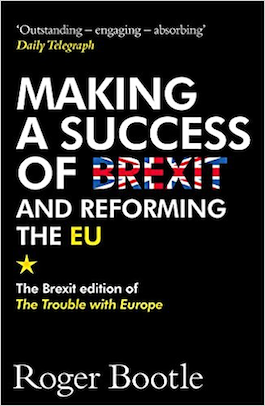
Roger is a former HSBC Chief Economist and winner of the Wolfson Prize for his and his team's study on how a country would leave the Euro. In his book The Trouble With Europe he considers how to make Brexit a success and how to reform the EU. Speaking without hyperbole, Roger weighs up the arguments for ‘hard’ and ‘soft’ outcomes, explores how trading relationships might work and considers the concerns of key industries and the implications for Scotland. He also looks at the potential impact of technology and AI on business, policy making and the wider economy.
View / Submit“Roger was very well received, highly knowledgeable and his presentation excellent. He gave the audience exactly what they needed.” Norwich Union
Norwich Union
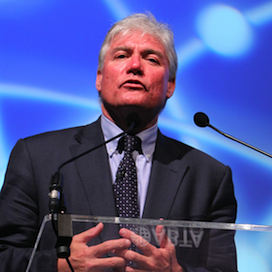
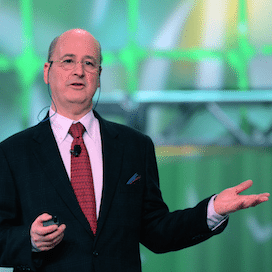
One of the City's best-known and most respected economists, Roger Bootle is the founder of the influential consultancy Capital Economics. Renown for his prediction and diagnosis of some of the most significant financial events of recent times, he also became recognised as a one of the UK's leading pro-Brexit economists bringing reasoned argument and experience to an often heated, emotional debate.
After lecturing at Oxford Roger became a dealer at Citibank, one of the few economists to gain direct trading experience. He then switched to the role of Group Chief Economist at HSBC and Lloyds Merchant Bank, before establishing his own consultancy and becoming a senior advisor to the House of Commons Treasury Committee.
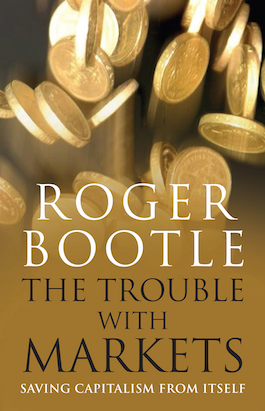
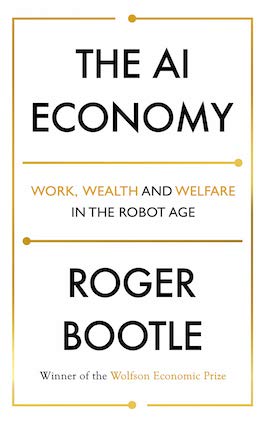
Under the previous Conservative government Roger was appointed to the Chancellor’s panel of independent economic forecasters, known as 'The Seven Wise Men.’ He's served as a Visiting Professor at Manchester Business School and is a regular media contibutor and columnist, and has been named Economics Commentator of the Year. He is the author of Theory of Money and The Death of Inflation. He predicted the banking crisis in Money For Nothing – and later studied the causes, effects and future threats in The Trouble with Markets. More recently he's examined the next great challenge for businesses, policy makers and society in The AI Economy: Work, Wealth and Welfare in the Robot Age.
After leading the team that won the prestigious Wolfson Prize (second only to the Nobel in the economics field) for their study on how a country would leave the Euro, he published The Trouble With Europe. The latest edition considers how to make a success of Brexit, as well as how to reform the EU.
Noted for his wry delivery of often uncomfortable truths, Roger has an impressive record of forecasting major market, economic and monetary events. He foresaw the credit crunch, the collapse of the dotcom boom, the UK’s removal from the ERM, and the period of sustained low inflation in Europe and the US.
© Copyright 2024 JLA. All rights reserved.


.jpg)