JLA - Keynote Speaker | Motivational Speaker | After Dinner Speaker | JLA Speaker Bureau

JLA is the UK's biggest specialist agency for keynote, motivational and after dinner speakers, conference presenters, awards hosts and cabaret for corporate, industry and public sector events.

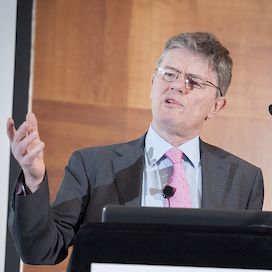
Photo of Anthony Hilton
CONFERENCE SPEAKERS

Fee band C £2.5K TO £5K

"On the '1 to 5' score card for speaker quality, one delegate gave him 6."

Prudential

YOUR FEEDBACK

"Anthony generated a lively debate. We can think of no aspect that needed improving."

IBM

TOPICS

Economic Overview

SPEECH TITLES

The economic, financial and business scene
The challenges for business

BIOGRAPHY

Print print icon

Anthony Hilton is Financial Editor of the Evening Standard and a Wincott Financial Journalist of the Year. An author, broadcaster and lecturer, he has also served as a non-executive Director of insurance and publishing companies.

Joining Fleet Street as a trainee on the Guardian, Anthony served in New York as Business Correspondent for the London Sunday Times and City Editor of The Times before joining the Standard.

Anthony makes regular television and radio appearances, commenting on the international money markets and the state of the economy. He also assesses the outlook for investments, the pensions crisis and corporate governance.

© Copyright JLA: All Rights Reserved

YOU MAY ALSO BE INTERESTED IN...

Photo - Bill Jamieson

Bill Jamieson

Business & Exec. Editor, The Scotsman

Fee band d Synopsis
Photo - Douglas McWilliams

Douglas McWilliams

Chief Executive, CEBR

Fee band c Synopsis
Photo - Dr Irwin Stelzer (US)

Dr Irwin Stelzer (US)

Sunday Times US Economic Columnist

Fee band a Synopsis
Photo - James Bellini

James Bellini

Advisor, Global Future Forum

Fee band c Synopsis
Photo - Professor Joseph Stiglitz (US)

Professor Joseph Stiglitz (US)

Nobel Prize-winning Economist

Fee band a Synopsis
Photo - Tim Harford

Tim Harford

Leading Behavioural Economist

Fee band c Synopsis

Print print icon

Q&A

JLA: What shape do you expect the recovery to take?
AH: 2010 may be more buoyant than most economists predict. The global economy was stopped by pressing a button on a keyboard; instead of taking two years to slow down it all happened in three months. The bounce back can be equally rapid, because the downturn hasn't lasted long enough to dent people's deep-rooted optimism or force them fundamentally to change their behaviour.

JLA: What if we have a hung parliament?
AH: The markets would see it as a sign of political weakness. In the absence of clear policies to sort out the fiscal mess, government credit and sterling will collapse - plunging us back into crisis. It is the biggest risk for 2010.

JLA: Do you expect debt and increased taxes to hold back recovery?
AH: No, because recovery should come before the debt is tackled. We can't cut our way out of the mess and we can't tax our way out. The only way is to grow.

JLA: Which sectors are most likely to provide the engine for growth?
AH: Finance (including banking) will have a good year, and house builders and motor manufacturers will do better than expected. The creative industries will be lively from games software to advertising and media. Exporters should do well on the back of the weak pound.

JLA: How might the UK fare relative to other major economies?
AH: I don't think we'll conspicuously lag behind other major economies. Provided the election delivers a clear result, we will exceed the 1-1.5% growth predicted by Alistair Darling. We're in much better shape than politicians and the media would have us believe.

JLA: What about public spending cuts?
AH: There needs to be a serious debate about the role of the state and what can better be left to the private sector. The Tories may initiate this, but they might be too shrill to build the necessary consensus. We would also solve most of our problems by steadily increasing the retirement age to 70 over the next 20 years.

JLA: Is the low pound here to stay - and does it bring a net benefit?
AH: Sterling was over valued, mostly because we were borrowing so much from overseas. If we're to have a more balanced economy, less dependent on hyper finance, we need a lower pound. It's more important that it stays stable once it has found a level, than what the level is.

www.catchdigital.com